
Aluminum motor housing castings
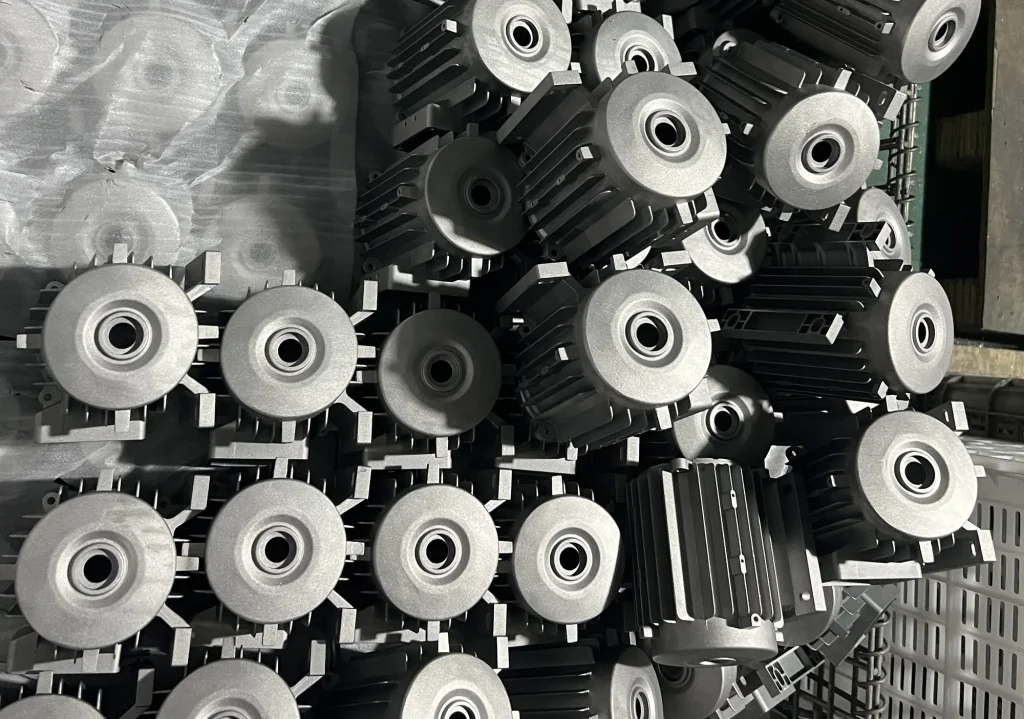
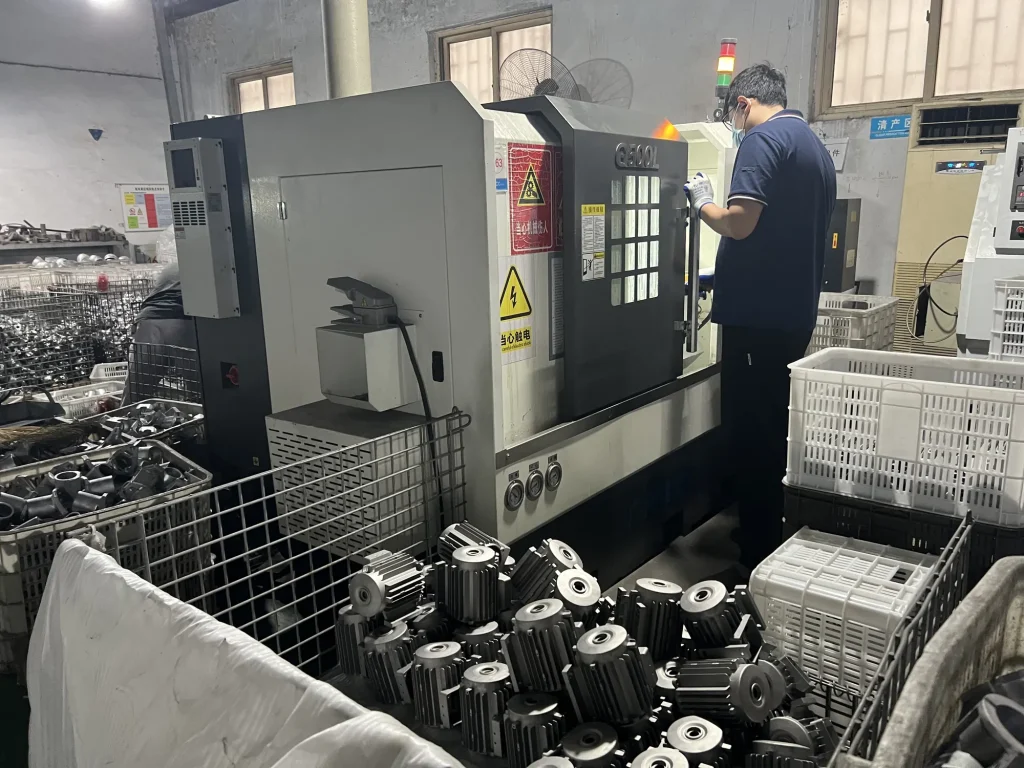
High-pressure die-cast motor housings, machined on our own CNC machines, with bearing seats, stator location and cooling passages reviewed against the evidence first-article approval needs.
Interfaces the drawing has to define
Both bearing bores can pass their diameter checks while their axes fail the motor's alignment requirement. A bearing fit that works on the inspection bench can change as the aluminum housing warms. Neither is settled by an alloy name and a general casting tolerance, so we review each interface with the evidence first-article approval needs.
| Interface | Put in the RFQ | Agree for first-article approval |
|---|---|---|
| Bearing seats | Bearing reference, seat diameter, size and form limits, shoulder location, relationship to assembly datums, final surface condition | Measurement method and access; size, form, shoulder and alignment results against the approved datum scheme |
| Stator location | Location method, mating dimensions, clearance or interference, operating temperature | Dimensional report in the delivered condition and the agreed assembly check |
| End-cover joints | Mating geometry, fastener pattern, sealing-face requirements, coating exclusions | Face and hole-pattern results; fit with the mating cover; seal checks where required |
| Mounting feet and flanges | Mounting datums, hole and thread specifications, service loads, surfaces allowed to stay as cast | Dimensional and thread checks of the mounting interface |
| Cooling passages | Medium, test pressure, allowable leak rate and units, duration, fixture boundary, housing or assembly | Test records for the defined condition, with sample identification |
| Finished surfaces | Treatment specification, masked features, dimensions that apply after treatment | Final dimensional checks of affected interfaces and the finish inspection |
The bearing fit changes with temperature
Aluminum expands more than the steel bearing it holds. With temperature, load and the selected fit, the outer ring can creep in its seat. The review establishes which bearing locates the shaft axially and how the arrangement takes axial movement, using the temperatures you selected the fit for. A generic H7 callout cannot replace that review.
Bore size, form, position and surface texture are separate drawing requirements, and the first-article report shows each against the approved datums.
- Send the assembly drawing when a bearing seat sits in a separate cover
- State service temperatures and loads, not only the tightest bore you want
- Mark surfaces that may stay as cast and those that are machined
- Name masked bearing seats, seal lands and threads for coated housings
- Mark regions where machining could expose internal discontinuities
Die casting or squeeze casting for a motor housing
For a complex housing at repeat volume, high-pressure die casting is the first route to compare. When internal integrity, T6 heat treatment or specified properties drive the decision, squeeze casting goes into the same review. We run both, on 160–1,100 t and 300–1,100 t machines, and machine the housing on our own CNC machines, so casting stock, datums and the final check are planned together. The housings pictured on this page are high-pressure die cast.
Selection worksheet Cast and machined parts
Test the cooling passage in the delivered condition
A liquid-cooled housing needs a defined pressure boundary as well as dimensional approval. A pressure-strength check and a leak measurement answer different questions. Specify cleaning and drying before the test: oil or cleaning fluid can temporarily block a leak path.
Questions about motor housings
- Is a STEP model enough to quote a motor housing?
- It gives geometry, but not bearing fits, alignment, sealing-face and thread requirements or the leak test. Send a toleranced 2D drawing with the model, plus the assembly drawing if a bearing seat sits in a separate cover.
- Should every motor housing be squeeze cast?
- No. For a complex housing at repeat volume, high-pressure die casting is the first route to compare. Squeeze casting is reviewed when internal integrity, T6 or specified properties drive the decision.
- What does the first-article package for a housing include?
- Bearing-seat size, form, shoulder and alignment results from the approved datums; stator, end-cover and mounting interface checks; cooling-passage leak records where required; and finish checks on affected interfaces.
- Can you leak test the cooling passage?
- Yes. Water immersion and helium sniffer testing are in-house. The medium, pressure, leak rate, duration and pressure boundary are agreed per part, after cleaning and drying.
Send the housing drawing and the assembly
Include bearing references, operating temperature, cooling-passage test and finish. Howard Ding replies with the route and open questions.
What happens next
- Howard Ding confirms receipt and asks for anything missing from the package.
- Engineering reviews geometry, alloy and acceptance criteria and proposes a route: squeeze casting, die casting, or a reason neither fits.
- You receive the quotation with tooling, samples and validation listed separately from the part price.