
Pressure-tight, heat-treatable aluminum castings
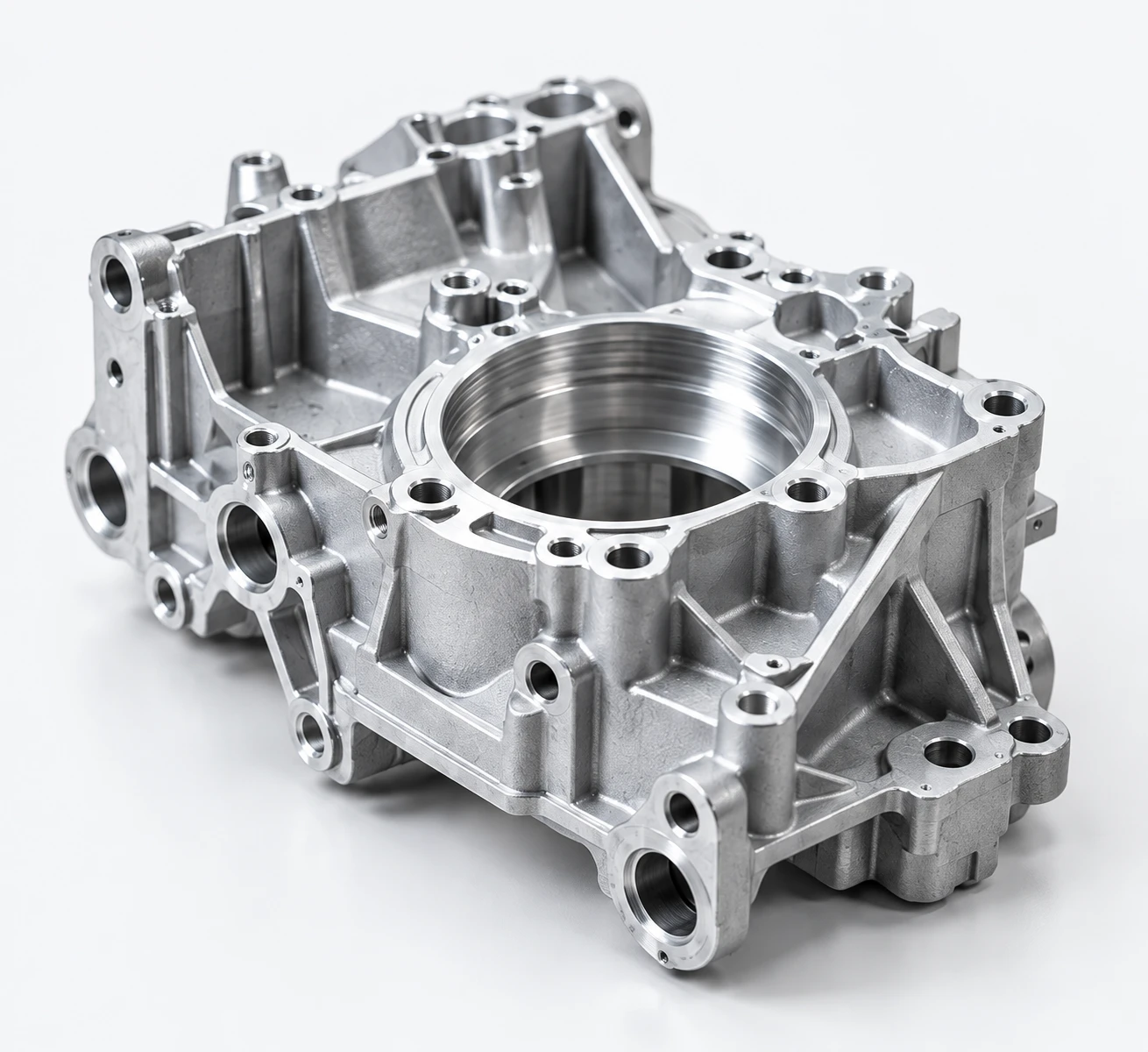
A356-T6 squeeze cast and machined to your drawing in our own Qingdao factory, for pressure-tight and structural parts such as pump bodies, valve housings and brackets.
- 300–1,100 t
- Squeeze casting presses
- 160–1,100 t
- Die casting machines
- T6
- Heat treatment in-house
- 1.2 × 0.8 m
- Largest part envelope
What problem are you trying to solve?
Five reasons buyers move a part to squeeze casting. Each links to the conversion guide.
- Die castings failing leak test
Gas porosity opened by machining at a sealing face. Squeeze casting solidifies under pressure for a denser structure.
- Forging to casting conversion
Pockets and ribs mean heavy machining on a forging. A near-net A356-T6 casting carries the load with less.
- Billet to casting conversion
At repeat volume a billet part is mostly chips and cycle time; machine only the functional faces.
- Can die castings be heat treated?
Conventional die castings are usually used as-cast. Squeeze castings take T6 and welding on the casting itself.
- Squeeze casting vs gravity casting
Shrinkage rejects or heavy sections: a published squeeze-cast A356.2-T6 bracket replaced a sand casting with about 50% higher strength.
A356-T6 squeeze casting: 300–1,100 t capability
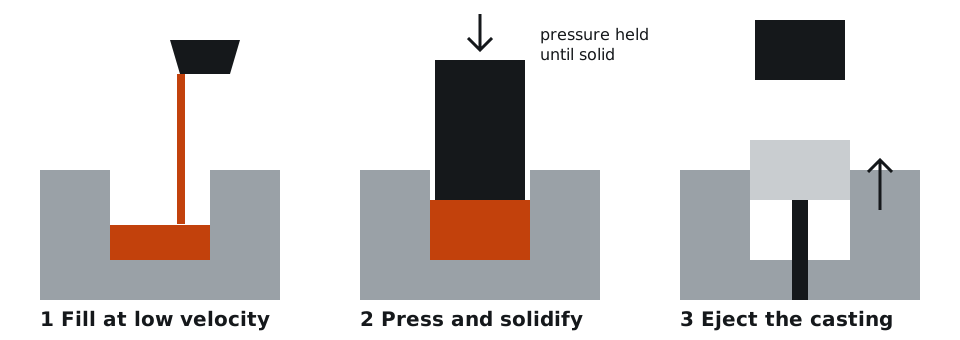
Squeeze casting, also called liquid die forging, fills the die at low velocity and holds the metal under pressure until it is solid. We cast parts on 300–1,100 t squeeze presses, with part weight and size confirmed per drawing, and heat treat to T6 in-house.
| Press range | 300–1,100 t |
|---|---|
| Alloys | A356 / A356.2, T6 heat treatment in-house |
| Part weight | Reviewed per drawing against press size |
| Part envelope | Up to 1.2 × 0.8 m |
| Wall thickness | 4–15 mm |
| Route | T6 heat treatment | Welding | Pressure tightness | Usually chosen for |
|---|---|---|---|---|
| A356-T6, squeeze cast | Yes, in-house | Practical on the casting | Dense structure from solidification under pressure | Pressure-tight and load-bearing parts |
| ADC12, die cast | Usually as-cast | Usually avoided | Gas porosity possible; leak acceptance agreed before tooling | Thin walls, fine detail, high volume |
| A356, gravity cast | Yes | Possible | Shrinkage in heavy sections is the usual limit | Prototypes, low volume, large simple parts |
When leak-tested die casting is enough
Thin walls, high volume and no T6 or welding requirement: die casting on 160–1,100 t machines with agreed leak and X-ray acceptance is often the better buy, and we will recommend it. Leak-tested die castings
How a casting is made pressure-tight: design, process, test
Designed in, produced by the right process, and proven by a test agreed on the drawing.
-
Design
DFM review of sections, datums, sealing faces and machining stock before the quote; filling and solidification checked for the chosen route.
-
Process
Squeeze casting with in-house T6 for parts that must hold pressure and carry load; die casting with leak acceptance where that is enough. CNC machining in-house.
-
Test
Helium leak testing and X-ray in our own lab. X-ray acceptance written against ASTM E505 grades by region; leak acceptance as medium, pressure and leak rate.
Leak testing aluminum castingsHelium leak testingASTM E505 X-ray grades
Pressure-tight parts we make
What to define on the drawing so the quote and the test plan match the part.
-
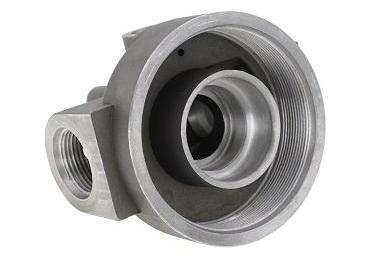
Pump and valve castings
Define: medium · working and test pressure · allowable leak rate
-
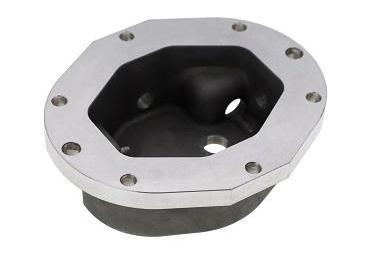
Sealed enclosure castings
Define: IP rating or leak rate · sealing faces · test method
-
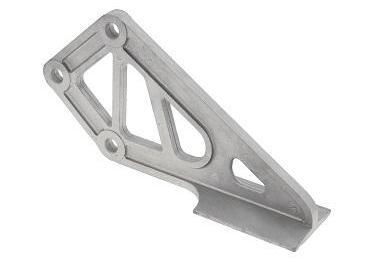
Automotive structural castings
Define: load case · properties by section · weld requirement
-
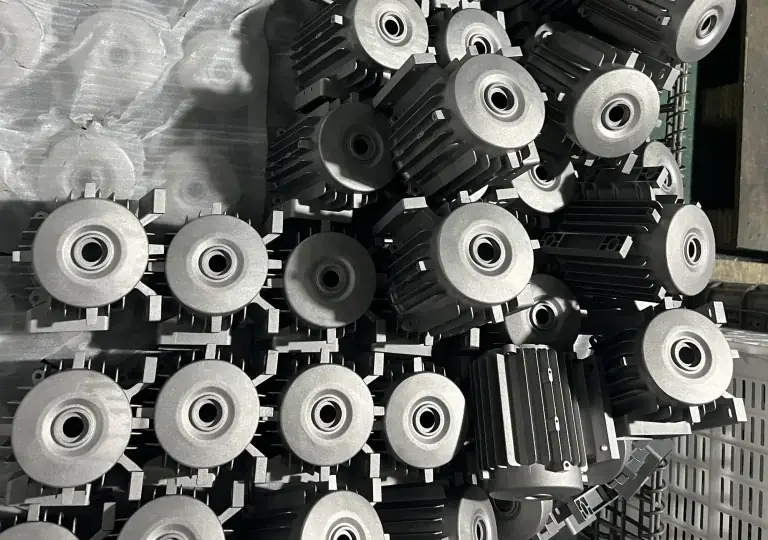
Motor housing castings
Define: bore tolerances · coolant passage pressure · leak rate
Inspection, leak testing and certifications
Acceptance is agreed for the part before tooling: characteristic, sample size, method, limit and the record you receive.
| Equipment in our lab | What it verifies |
|---|---|
| Helium leak detection | Leak-tightness under agreed test conditions |
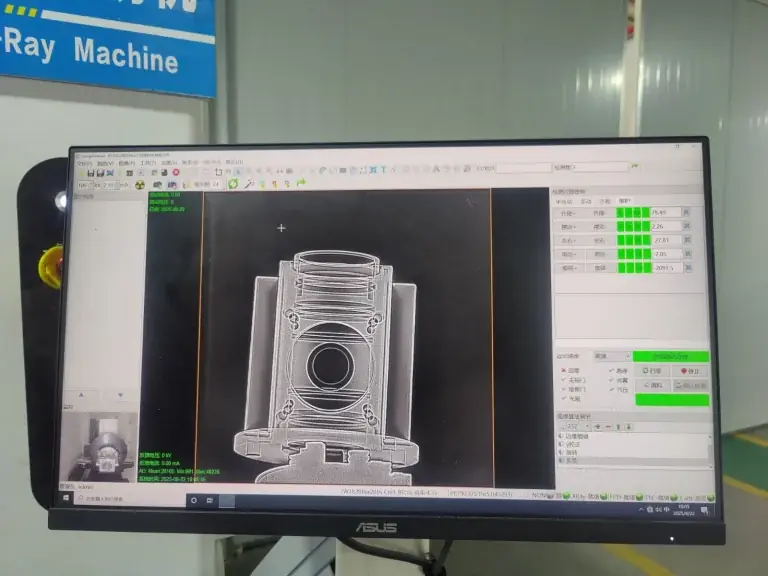
| X-ray inspection | Porosity and shrinkage in agreed regions |
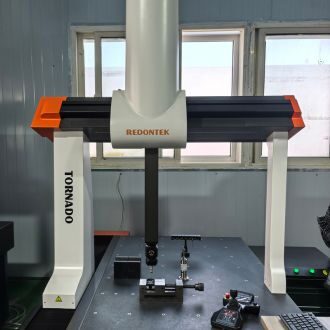
| Fully automatic CMM | Critical dimensions against the drawing |
| Optical emission spectrometer | Melt and incoming ingot composition |
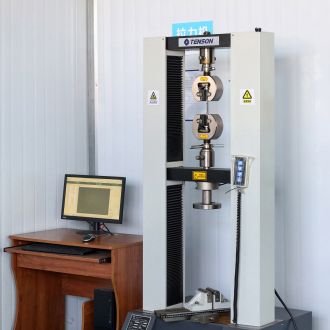
| Tensile and hardness testers | Mechanical properties after heat treatment |
Certificates
- IATF 16949:2016 No. 0494978, valid to 2027-01-07
- ISO 9001:2015 No. 08924Q53221R1S, valid to 2027-12-22
- ISO 14001:2015 No. 12425E00578R000, valid to 2028-05-11
- ISO 45001:2018 No. 12425S00499R000, valid to 2028-05-11
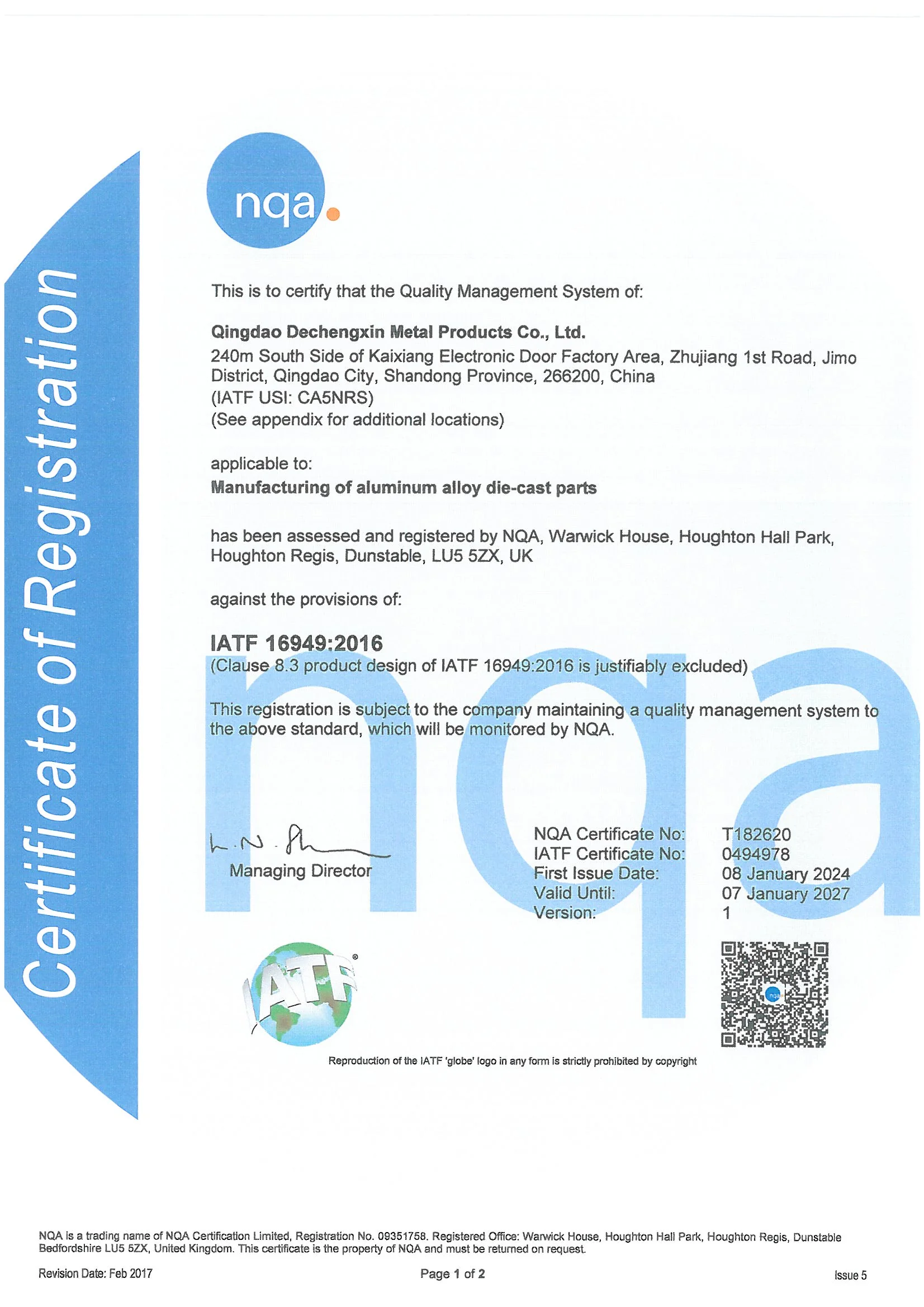
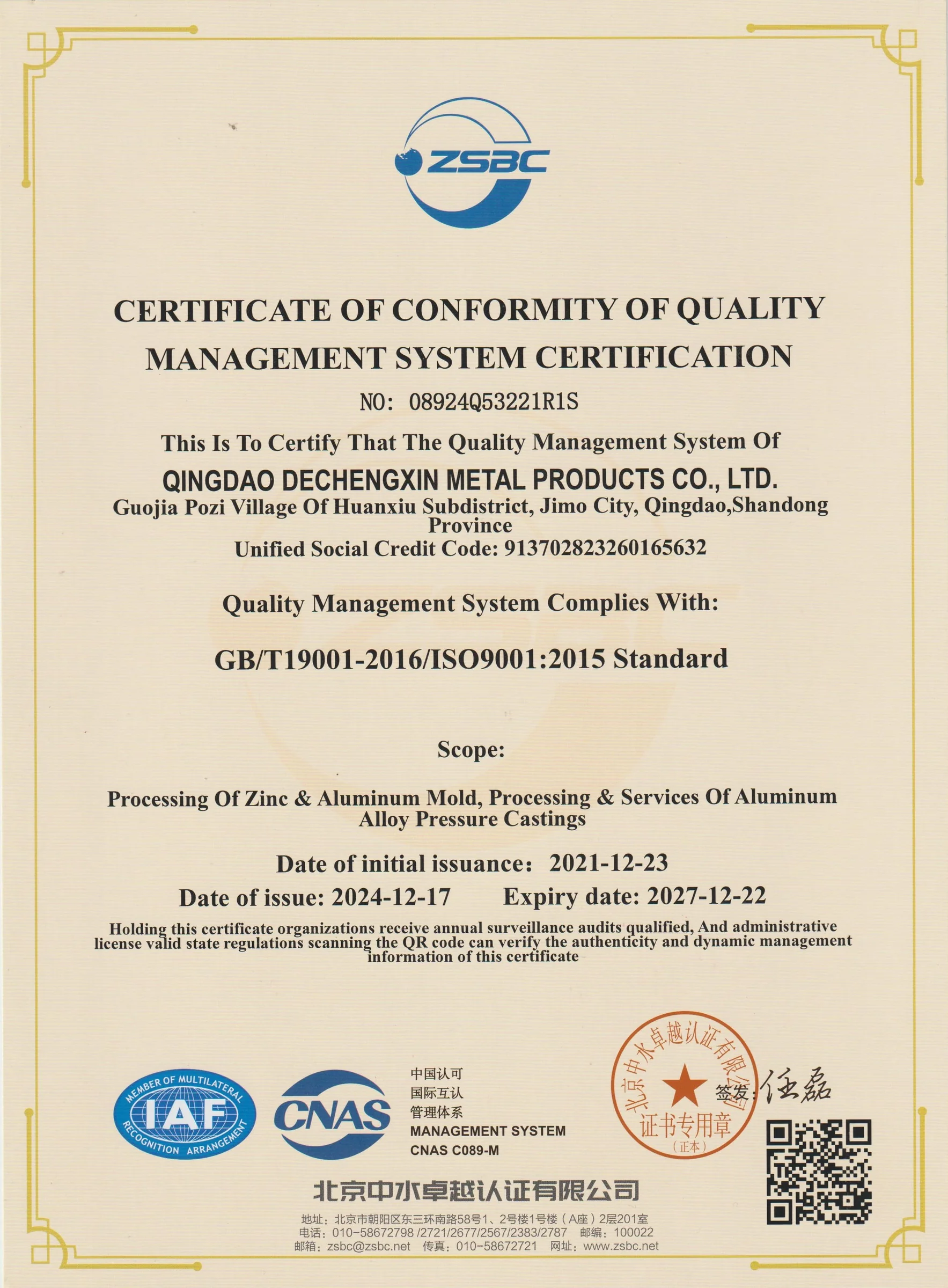
The certificates are held by Qingdao Dechengxin Metal Products Co., Ltd., the production company behind the CEX Casting brand. Scope and scans
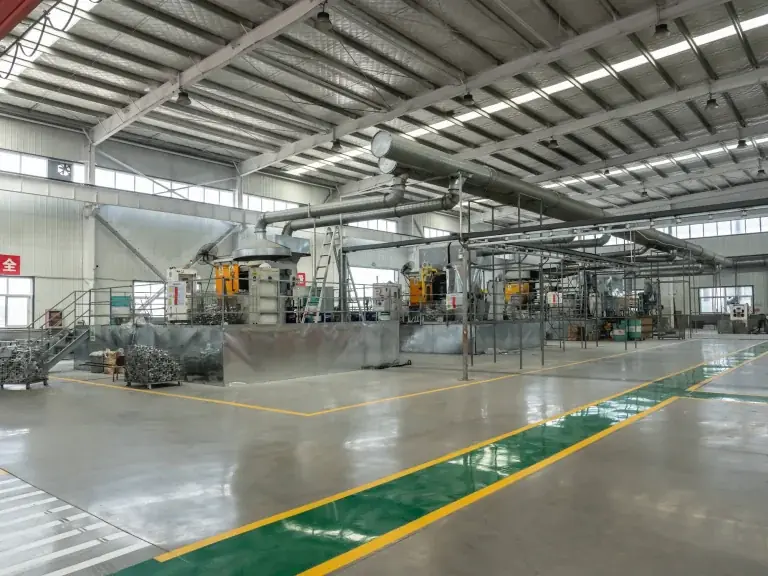
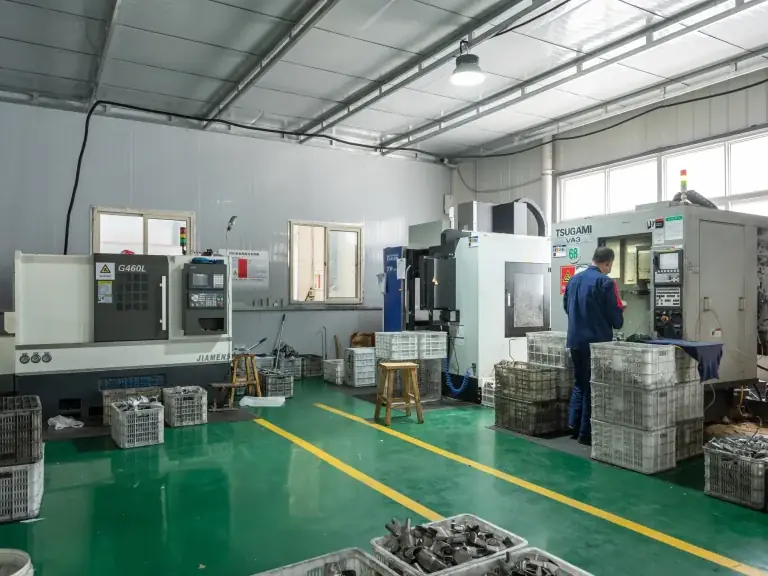
Our factory in Qingdao
| Casting | 7 aluminum casting machines: squeeze 300–1,100 t, die casting 160–1,100 t |
|---|---|
| CNC | Horizontal, gantry and vertical machining centres, CNC lathes, EDM |
| Also in-house | Tooling shop, T6 heat treatment, finishing, assembly, packing |
| Audits | Visit our Qingdao factory or book a live video audit. |
Results on customer parts
140 PSI Pump part, A380 die cast: X-ray checked, then leak tested to at least 140 PSI under conditions agreed with the customer.
54% Trailer connector, A356.2-T6 squeeze cast: replaced a steel casting with at least 54% weight reduction reported.
Before you send a drawing
- Aluminum casting RFQ checklist
The six essentials and a copyable project brief.
- Casting porosity acceptance criteria
How to write porosity limits, regions and methods on the drawing.
- A356-T6 casting specification
Material, temper and specimen requirement on the drawing.
Questions buyers ask
- What should I include in a request for quotation?
- Send a 2D drawing and, if available, a 3D model. Include material, annual quantity, critical tolerances, surface finish, inspection requirements and target timing. If a specification is still open, tell us what the component needs to do.
- How do I choose between die casting and squeeze casting?
- Start with geometry, production quantity and the service conditions. Conventional die casting is often considered for repeatable complex parts; squeeze casting is evaluated where internal integrity, heat treatment or mechanical performance are priorities. The final choice needs a drawing review.
- Can squeeze castings be T6 heat treated?
- Suitable alloys, such as A356, can be evaluated for squeeze casting and T6 heat treatment, which is done in-house. The required properties must be agreed for the selected alloy, geometry and test method; they are not a blanket guarantee for every part.
- Can we audit the factory before ordering?
- Yes. Overseas customers can visit our Qingdao factory in person or book a live video audit of the casting, machining and inspection areas. Ask Howard Ding to arrange a date.
- Will my drawing be publicly accessible?
- Drawings submitted through the RFQ form are stored outside the public website and can be downloaded only by authorized administrators. Confidentiality requirements can be discussed before sharing sensitive project details.
Send a drawing to Howard Ding
Upload a 2D drawing and, if available, a 3D model with the alloy, annual quantity and any pressure or leak requirement. You get the proposed route, open questions and the tests that apply.
Drawings are stored outside the public website and can be downloaded only by authorized administrators. Confidentiality terms or an NDA can be discussed before you share sensitive details.
Howard DingSales Manager