
DFM review and casting tooling
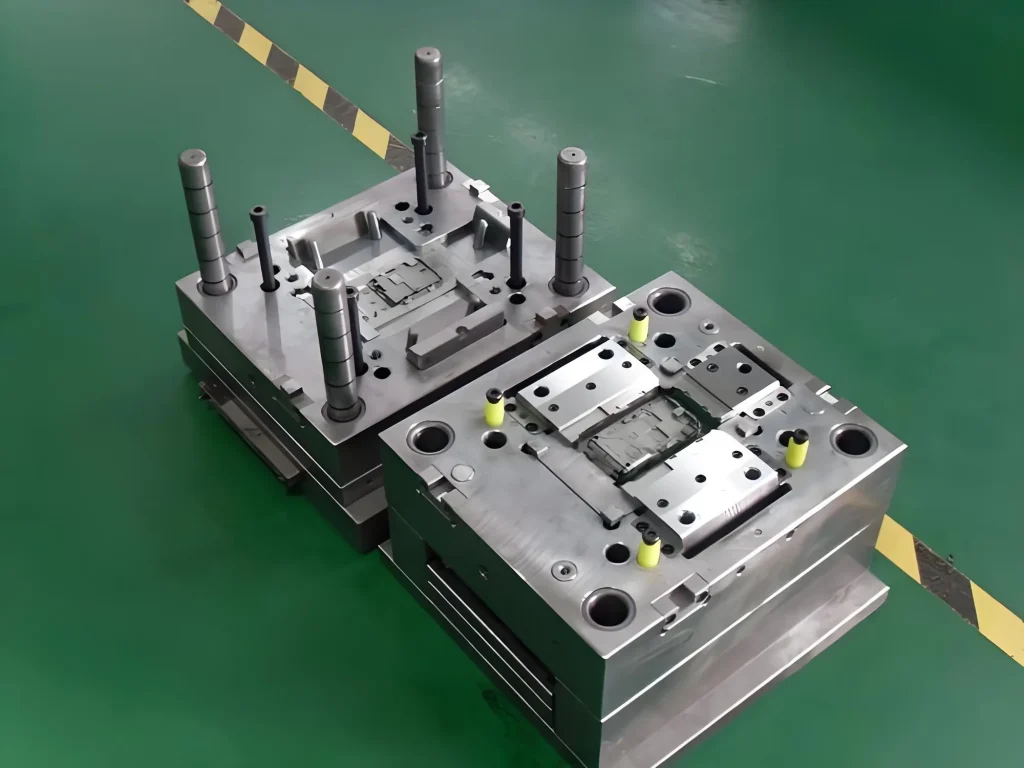
A written DFM review before the tool is designed, then tool design and build in our own tool shop. The tool you pay for is yours, kept and maintained at the plant that runs it.
What you receive from a DFM review
Send the drawing and model before the tool is designed. We review the part against the casting route, the tool and the machining sequence, and return written questions and proposals rather than a silent quotation. Tooling is designed and built in our own tool shop, so a change does not leave the plant.
- Proposed route: die casting or squeeze casting, and why
- Parting line, slides and features that drive tool cost
- Wall sections, hot spots and feeding: where porosity risk sits
- Gating, overflow and venting relative to sealing faces
- Machining stock and datum plan for critical features
- Open questions where the drawing leaves a requirement undefined
From drawing to production release
| Stage | Review focus | Gate |
|---|---|---|
| Drawing review | Geometry, alloy, parting line, critical features | Inputs frozen: drawing and model revisions, alloy, quantity, open items closed |
| Tool planning | Gating, feeding, ejection, machining allowances | Tool design approved |
| Trial parts | Dimensional results and agreed functional tests | Sample quantity and checks agreed in advance |
| Release | Approved drawing revision, sample sign-off | First-article approval before volume production |
Tool ownership, storage and transfer
The tool is paid for by you and belongs to you. It is kept and maintained at the plant that runs it, so casting, heat treatment and machining share one schedule and one set of datums. Transfer conditions and the records that go with the tool are agreed when the arrangement is set up, not when it ends.
| Ownership | Buyer-owned once paid |
|---|---|
| Location | At the manufacturing site that runs the part |
| Maintenance | Part of production; interval agreed with the tooling specification |
| Transfer | Condition at handover and records agreed up front |
| Design change | Quoted as a tool and process change, re-approved through first article |
What a tooling quotation should state
Two tooling quotes may be pricing different things. Compare them on the same scope.
- Tool life or shot count it is built for
- Cavitation, and the machine it runs in
- Trial rounds and samples included
- Owner, storage location and release conditions
- Exclusions: sample machining, gauges, fixtures, special packaging
Questions about DFM and tooling
- Who owns the tool?
- The tool paid for by the buyer belongs to the buyer. It is kept and maintained at the plant that runs it; transfer conditions and records are agreed when the arrangement is set up.
- What does a DFM review include?
- The proposed route, parting line and slides, wall sections and hot spots, gating and venting relative to sealing faces, machining stock and datums, and open questions where the drawing leaves a requirement undefined.
- What happens when the drawing changes after the tool is built?
- The change is quoted as a tool and process change and the part is re-approved through first article before production continues.
Send the drawing for a DFM review
Attach the 2D drawing and 3D model before tool design. Howard Ding replies with written questions and proposals.
What happens next
- Howard Ding confirms receipt and asks for anything missing from the package.
- Engineering reviews geometry, alloy and acceptance criteria and proposes a route: squeeze casting, die casting, or a reason neither fits.
- You receive the quotation with tooling, samples and validation listed separately from the part price.