
Machining to casting conversion: billet to squeeze casting
A part machined from billet is the right answer for prototypes. At repeat volume, a near-net-shape casting with machining only at the interfaces can cost less per part. Run the break-even, then send the drawing.
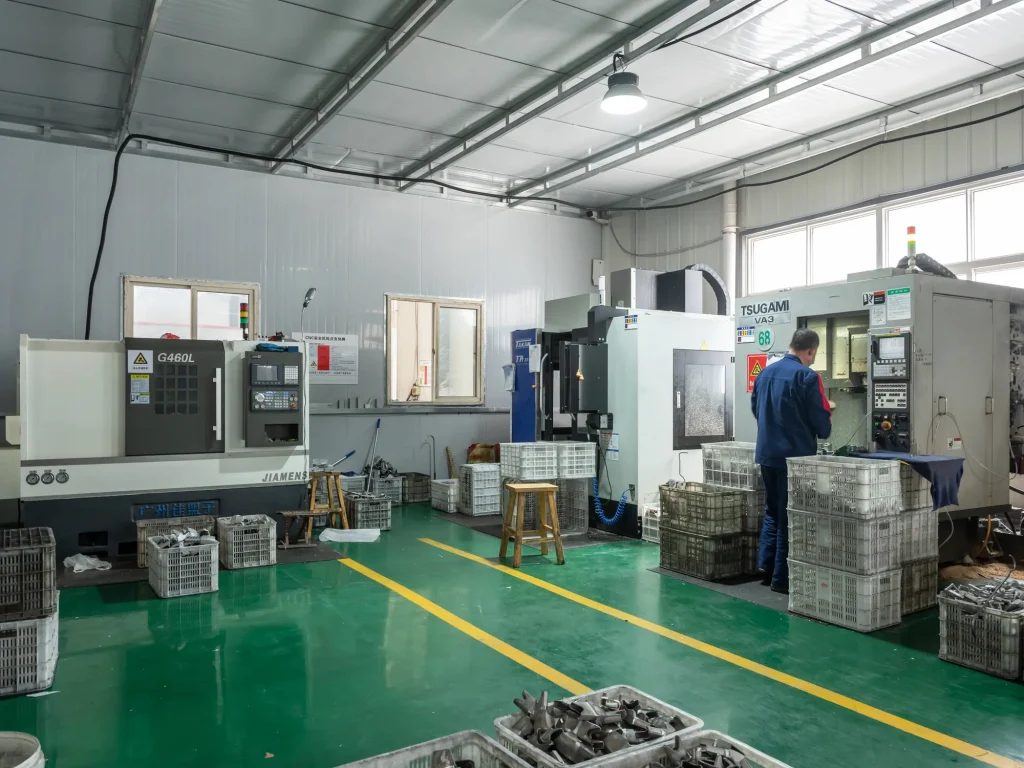
What machining from billet does well
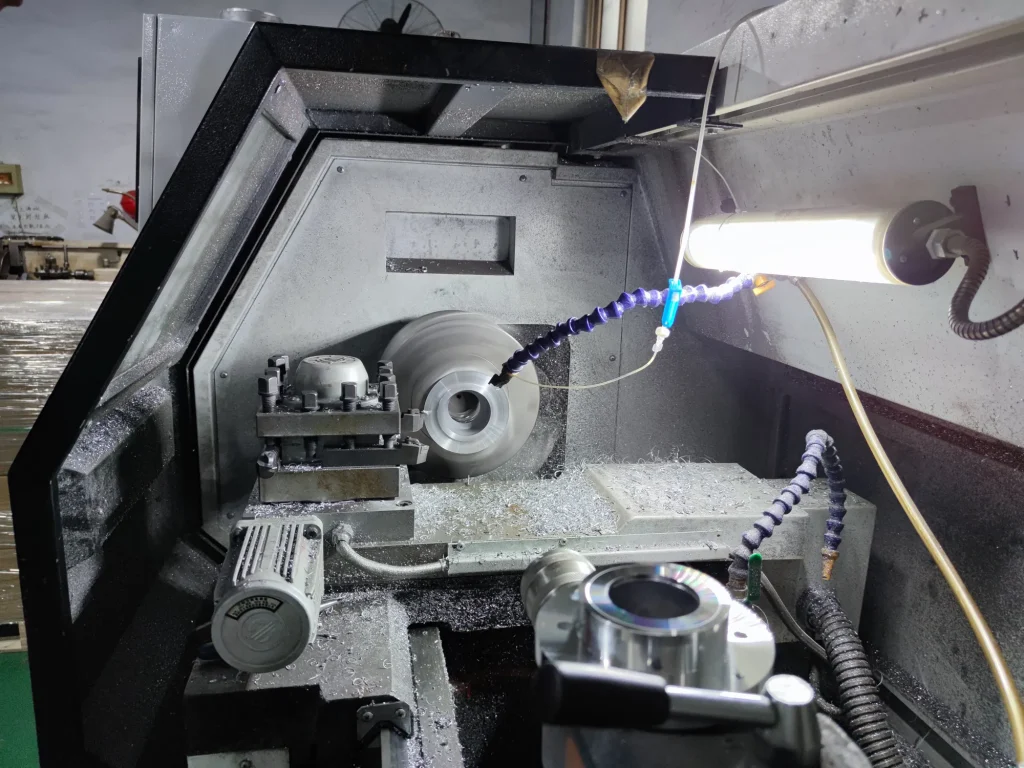
Machining from bar or plate gives excellent tolerances and needs no tooling, which makes it the right route for prototypes and low volumes. Its cost is set by how much metal is removed and how long the cut takes; the chips have scrap value only.
A near-net casting moves that material into the die instead. Functional faces, bores and sealing faces are still machined, on our own CNC machines, with the casting allowance and datums planned at tooling stage.
Billet vs casting break-even calculator
Enter figures from your own quotations. Evaluated cost = one-time costs + quantity × delivered-part cost. There is no universal volume at which casting becomes cheaper; it depends on these numbers and on how likely the design is to change.
Use delivered-part prices that cover the same scope: machining, inspection, finishing and packing in both.
Enter the four figures to see the break-even quantity.
What the conversion review must establish
| Review stage | Required comparison |
|---|---|
| Volume threshold | The crossover point, calculated against the machining time and material actually removed per part |
| Surfaces that stay machined | Functional faces, bores and sealing faces, with allowance planned at tooling stage |
| Machining sequence | Fixtures and datums designed with the casting, so the first operation can locate on a cast face |
| Tolerance by feature | Cast blank tolerance and machined tolerance stated and verified separately |
| Material approval | A prototype machined from wrought aluminum does not qualify a cast alloy of the same shape |
From CNC prototype to repeat production
A machined prototype may assemble correctly and still leave the material decision open. Before ordering cast parts, approve the alloy, the heat-treatment condition and the evidence required, using production-intent samples from the quoted tooling and route.
Keep machining from billet in the comparison while the design is still changing.
| Gate | Evidence to request |
|---|---|
| Approved prototype | Released product definition, material record, dimensional and functional results |
| Production-intent samples | Samples from the proposed tooling and route; dimensional, material and treatment evidence |
| First production lot | Lot identity, inspection results, accepted deviations, traceability records |
| Repeat deliveries | Critical characteristics measured in production order; change notifications |
When to keep machining from billet
For prototypes, very low volumes, parts with tight tolerance over most of their surface, and geometries a casting cannot feed without defects.
Published example on this route: the electric scooter folding part, A356.2-T6, cast closer to finished geometry with at least 40% cost saving reported.
Questions engineers ask
- When does it pay to convert a machined part to a casting?
- When the annual quantity covers the tool, and most of the billet is being cut away. Compare one-time costs plus quantity × delivered part cost for both routes; the calculator on this page does the arithmetic with your numbers.
- Can I keep machining for prototypes and cast for production?
- Yes. Machine prototypes from solid, freeze the design, then tool the casting and machine only the interfaces. Plan datums and machining stock so the prototype and the casting are inspected the same way.
- Do you machine the castings?
- Yes, in-house: horizontal, gantry and vertical machining centres, CNC lathes, a vertical lathe and EDM.
Send a drawing for a route review
Send a 2D drawing and, if available, a 3D model with the alloy, annual quantity, critical tolerances and any pressure or leak requirement. Howard Ding replies with the proposed route, open questions and the tests that apply.
What happens next
- Howard Ding confirms receipt and asks for anything missing from the package.
- Engineering reviews geometry, alloy and acceptance criteria and proposes a route: squeeze casting, die casting, or a reason neither fits.
- You receive the quotation with tooling, samples and validation listed separately from the part price.