

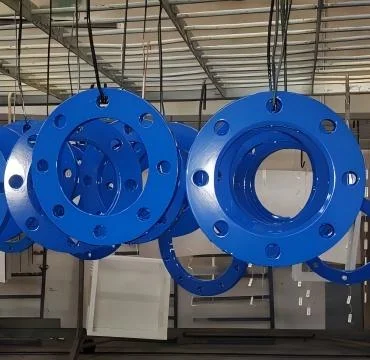
Specify surface finishing by the protection, appearance and interface requirements of the finished component. Agree the treatment, thickness, masking and inspection condition before production.
The finish is part of the specification
Surface treatment should be selected around function, appearance and environment. CEX includes surface finishing in its casting and machining service, and its existing site shows powder-coated components.
| Specification | What to define |
|---|---|
| Appearance | Color reference, gloss and permitted cosmetic variation |
| Protection | Service environment and applicable test requirements |
| Functional areas | Masking, grounding, threads and sealing faces |
| Dimensions | Coating allowance and inspection condition |
Protect the interfaces that matter
Identify surfaces that must remain uncoated and dimensions that apply after finishing. Use an approved sample or a written appearance standard when cosmetic consistency is important.
Prepare your project for review
Share a drawing, material specification, estimated quantity and the characteristics that are critical to the application. If the process is not yet selected, choose “Help me choose” in the inquiry form.
What should I include in a request for quotation?
Send a 2D drawing and, if available, a 3D model. Include material, annual quantity, critical tolerances, surface finish, inspection requirements and target timing. If a specification is still open, tell us what the component needs to do.
Can you supply machined and finished castings?
CEX provides tooling, casting, CNC machining and surface finishing. Define your finished-part requirements so the casting, machining allowance and final inspection can be planned together.
From specification to production
Define the acceptance standard
Use a coating or finish specification and an approved sample when appearance matters. Include the color reference, gloss and allowable variation, and state the surfaces evaluated.
Mark excluded surfaces
Show sealing lands, electrical contact areas, threads and fitted bores that must remain untreated. Identify masking boundaries on the drawing instead of leaving them to a general note.
Plan the final check
Specify which dimensions apply after finishing and which tests establish acceptance. Where corrosion performance is required, provide the test method, exposure and pass/fail criteria.
Questions for this process
Can any casting alloy receive the same finish?
Finish suitability and appearance depend on alloy and surface condition. Confirm the proposed process on representative samples before committing to a cosmetic requirement.
Are corrosion tests automatically included?
No. Include the test method and acceptance criteria in the RFQ so the supplier can quote the required validation, sampling and documentation.