

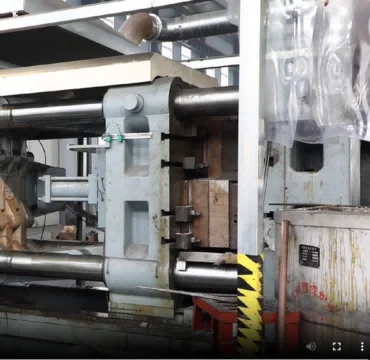
Evaluate zinc die casting against the part’s alloy, geometry, service temperature and finish requirements. Confirm the specific zinc alloy and casting capability with CEX during drawing review.
Start with the component requirements
CEX lists zinc die casting among its manufacturing services. Share the component geometry, dimensional requirements and preferred finish to assess whether a zinc casting route is suitable.
| Requirement | Details to supply |
|---|---|
| Material | Alloy designation or application requirements |
| Features | Thin sections, ribs, bosses, threads and interfaces |
| Finish | Appearance, coating or plating requirements |
| Volume | Order quantity and expected annual demand |
Validate the final specification
Material choice affects weight, corrosion behavior and operating limits. Request project-specific alloy and process confirmation before finalizing the design or comparing quotations.
Prepare your project for review
Share a drawing, material specification, estimated quantity and the characteristics that are critical to the application. If the process is not yet selected, choose “Help me choose” in the inquiry form.
What should I include in a request for quotation?
Send a 2D drawing and, if available, a 3D model. Include material, annual quantity, critical tolerances, surface finish, inspection requirements and target timing. If a specification is still open, tell us what the component needs to do.
Can you supply machined and finished castings?
CEX provides tooling, casting, CNC machining and surface finishing. Define your finished-part requirements so the casting, machining allowance and final inspection can be planned together.
From specification to production
Define the service environment
Provide operating temperature, exposure conditions and mechanical requirements. Assess material selection using the applicable alloy data rather than a generic zinc-versus-aluminum comparison.
Connect appearance to geometry
Mark cosmetic zones, permitted parting lines and ejector witness areas. Discuss polishing, plating or coating requirements before the tool layout is finalized.
Review secondary operations
Identify threads, inserts, assembly features and surfaces requiring machining. Include final dimensions and the inspection condition after any treatment so quotations describe the same delivered component.
Questions for this process
Which zinc alloy should I choose?
Supply the specified alloy and standard, or describe the service requirements and ask for an alloy assessment. Confirm availability and final properties before approving the material.
Can zinc replace an existing aluminum part?
Review weight, operating conditions, interfaces and finishing together. Do not assume that keeping the same geometry will deliver the same finished-part performance.