

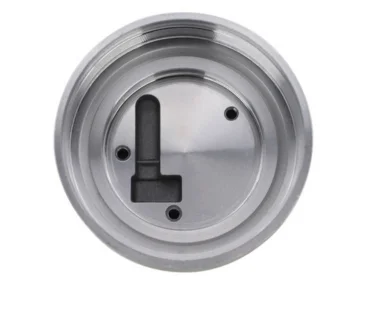
A lighting housing combines thermal, mounting, sealing and appearance requirements. Provide the assembly layout and service environment so the casting and finishing route can be reviewed together.
Aluminum housings for LED lighting
| Application focus | Requirements to provide | Engineering review |
|---|---|---|
| Heat-transfer interfaces | Heat-source location, contact area and required assembly condition | Identify machined contact surfaces, flatness and coating exclusions; validate thermal performance in the finished lighting assembly. |
| Outdoor housings | Gaskets, cable entry, exposure and corrosion requirements | State the target enclosure requirement and test method. The bare casting alone does not establish an assembled enclosure rating. |
| Visible surfaces and mounting | Color, gloss, cosmetic zones and fixing locations | Approve finish samples and define surfaces where parting-line or ejector marks are acceptable. |
Plan around the complete assembly
Evaluate ribs, fins and wall transitions with tooling access and finishing in mind. Separate the thermal design objective from the casting process specification: material selection alone does not demonstrate the final lamp’s operating temperature.
Build the manufacturing route
Review die casting against the geometry and demand. Where heat treatment or internal integrity drives the decision, compare squeeze casting. Identify finished features for CNC machining and agree the final inspection condition.
Prepare an application-specific RFQ
Send the drawing and model, material specification, initial and annual quantities, and the operating requirements above. Identify open questions and distinguish mandatory acceptance criteria from preferred features. Include target sample and production dates so approval steps can be planned.
Common application questions
Does a cast housing automatically have an IP rating?
No. An enclosure rating depends on the assembled product, seals, openings and the specified test. Agree the test scope for the housing or assembly being supplied.
What should be excluded from coating?
Mark heat-transfer interfaces, grounding points, fitted features and seal surfaces where treatment is restricted. Confirm these boundaries on the drawing.