

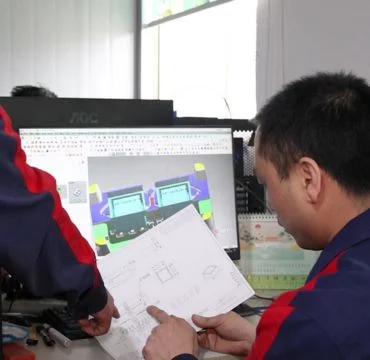
A casting tool should be developed around the approved part specification, production demand and sample acceptance plan. Agree the technical and commercial requirements before starting manufacture.
Manufacturability begins before metal is poured
Tooling connects your drawing with a repeatable casting process. CEX has tooling experience dating to 1995 and offers in-house tool development as part of its casting service.
| Stage | Review focus |
|---|---|
| Drawing review | Geometry, alloy, parting line and critical features |
| Tool planning | Gating, feeding, ejection and machining allowances |
| Trial parts | Dimensional results and agreed functional tests |
| Release | Approved drawing revision, sample sign-off and production requirements |
Clarify the commercial details
Agree ownership, maintenance responsibilities, change control, expected use and sample acceptance requirements in the quotation. Tooling cost and timing depend on geometry and the manufacturing route.
Provide anticipated annual quantity and any product-life requirements, so the tooling approach can be considered in context.
Prepare your project for review
Share a drawing, material specification, estimated quantity and the characteristics that are critical to the application. If the process is not yet selected, choose “Help me choose” in the inquiry form.
What should I include in a request for quotation?
Send a 2D drawing and, if available, a 3D model. Include material, annual quantity, critical tolerances, surface finish, inspection requirements and target timing. If a specification is still open, tell us what the component needs to do.
Can you supply machined and finished castings?
CEX provides tooling, casting, CNC machining and surface finishing. Define your finished-part requirements so the casting, machining allowance and final inspection can be planned together.
From specification to production
Freeze the inputs for tooling release
Identify the drawing and model revisions, selected alloy, critical features, intended production quantity and permitted design changes. Record unresolved requirements so they are closed before tool manufacture.
Treat samples as an approval gate
Agree the quantity and checks required for trial parts. Compare dimensional results, finish and any functional tests against the approved specification, then record changes and repeat the affected checks.
Plan for the tool’s production life
Clarify who owns the tool, where it is stored, which maintenance is included and how changes are approved. Tool life and replacement responsibilities should be written commercial terms, not assumptions based on machine size.
Questions for this process
What determines tooling lead time?
Geometry, moving features, capacity, trial iterations and approval requirements affect timing. Request separate milestones for design approval, first samples and production release.
What happens after a drawing change?
Identify the revised features, assess the tooling and inspection impact, and approve cost and timing before modification. Keep sample reports tied to the revision they verify.